Next Running Event:

Rock n Road Runners – Thursday Coached Run Intervals

Hooray!

Search

Resources

Introduction to Trail Running

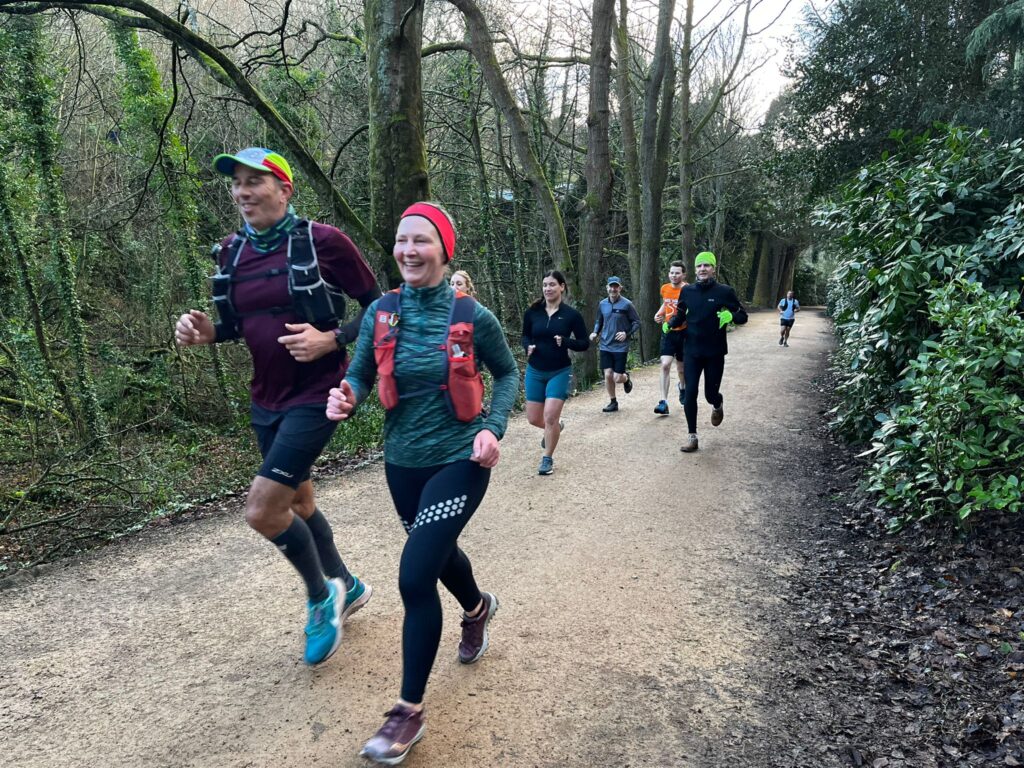
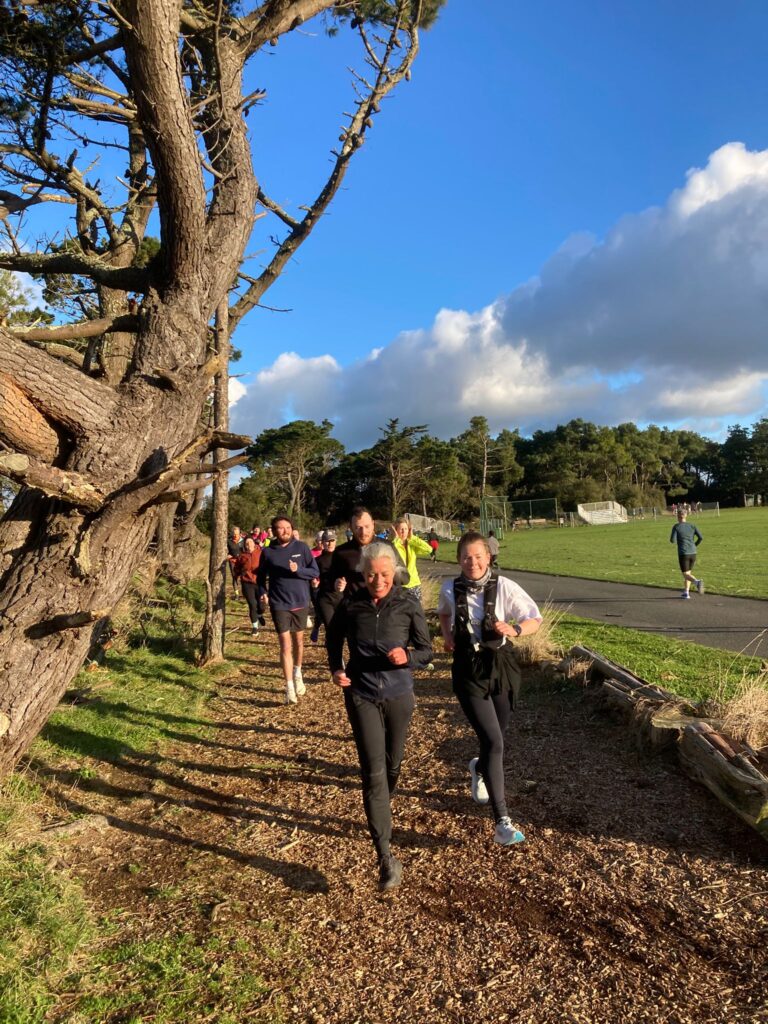
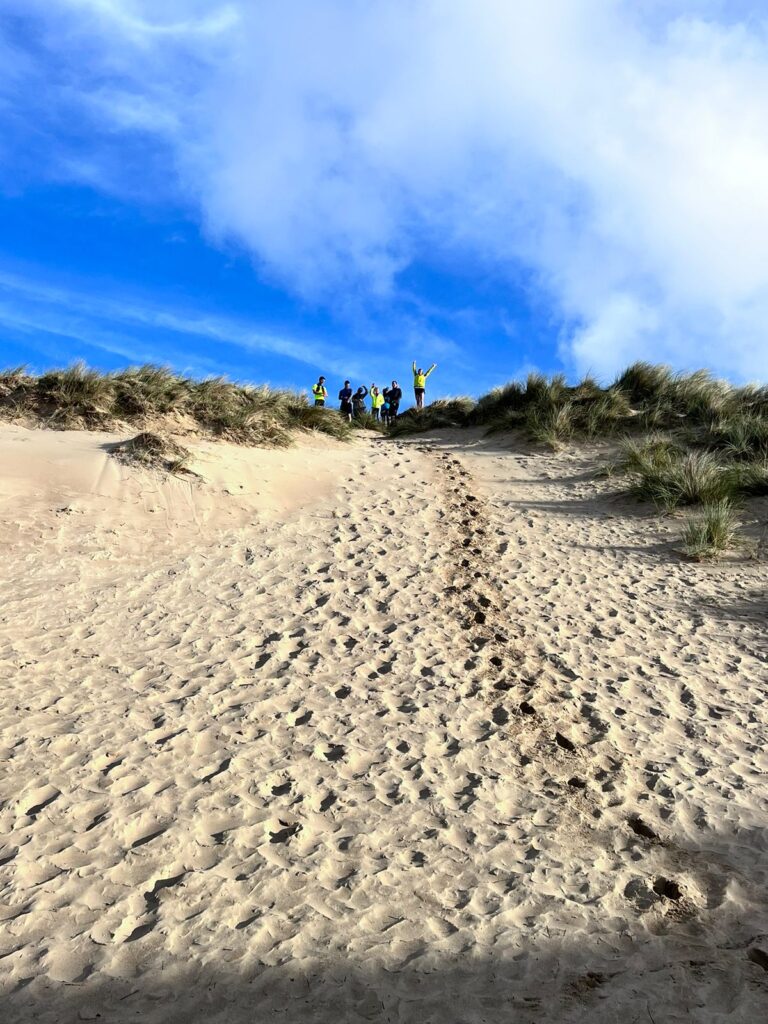
At the time of writing, Rock n Road Runners have just launched their fourth ‘Intro to Trail Running’ programme with the last session takng place in and around the Sand Dunes. Attendance has grown each time, which is awesome to see, but I am aware that not everyone is able to attend these events or our group trail runs. For those that haven’t been able to make it, I’ve created a short article summarising the main points as they relate to the how’s, why’s and what’s of this beautiful sport.

What is trail running?

  • There is no strict definition of trail running (despite what some might say) and essentially, running on any surface which isn’t road or tarmac, could fall under the definition.
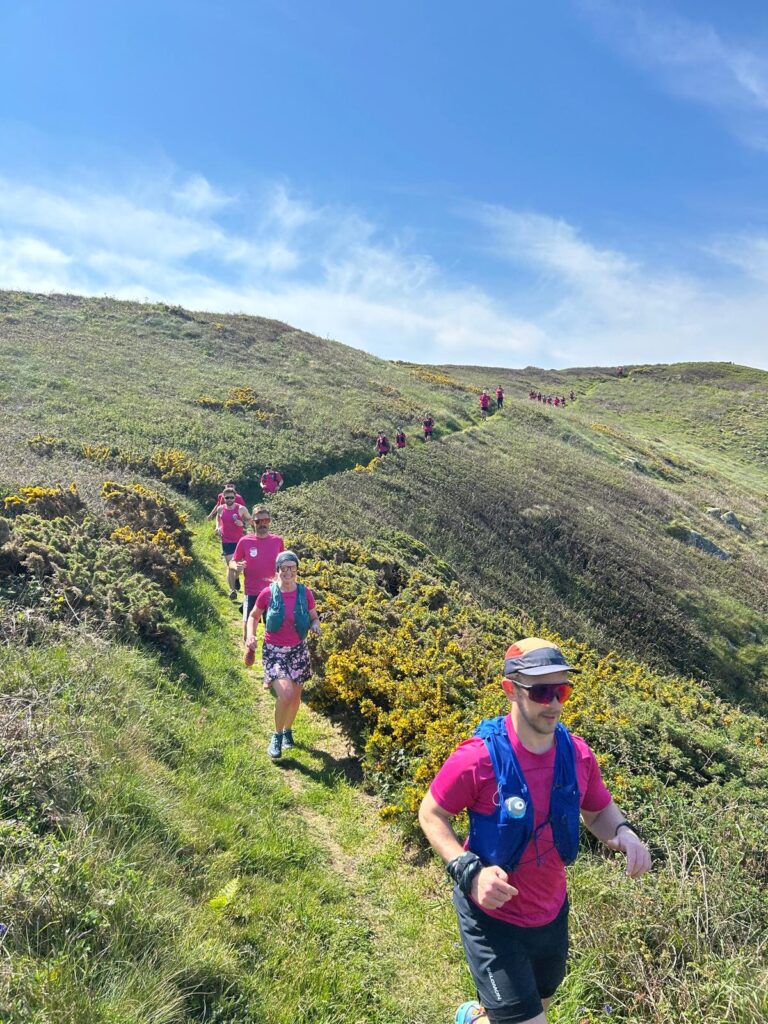
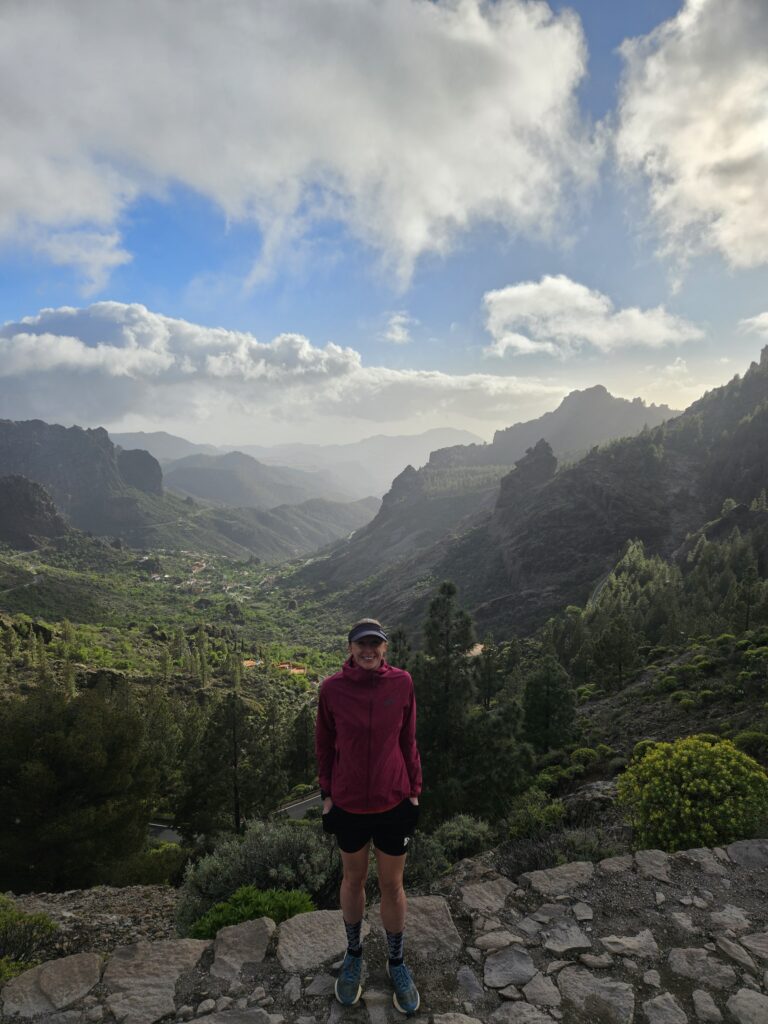
  • Part of the allure of the sport is that it’s so varied. In Jersey alone we have mud, sand, gravel, hard-packed soil, grass, loose rock, water crossings and even snow at times. We can run through woods & fields, up and down sand dunes, across beaches, around reservoirs and along rolling cliffs. All this is at our fingertips and under our noses. The trail-network in Jersey is truly epic.
  • The greatest quality a trail runner can embody is curiosity. So next time you pass a turning which leads off the beaten track, go take a look. You won’t be disappointed!

Benefits of trail running

  • There are huge mental and physical benefits of both running and immersing yourself in nature & exploring the world
  • It’s great to escape the hustle & bustle of modern life (especially cars!)
  • Builds core & leg strength which also reduces risk of certain injuries
  • The variable nature of terrain, especially on softer/more uneven surfaces, moves loads around the body and further reduces risk of overuse injuries.
  • Time flows by quickly as your focus is on the stunning scenery and navigating the varying terrains
  • Trails are often rolling so there are plenty of opportunities to walk! (or ‘power-hike’)
  • Pace matters a lot less due to changing terrains and grades. Focusing on effort allows you to be far more intuitive with your running and less concerned with external metrics.

What do I need to think about before starting?
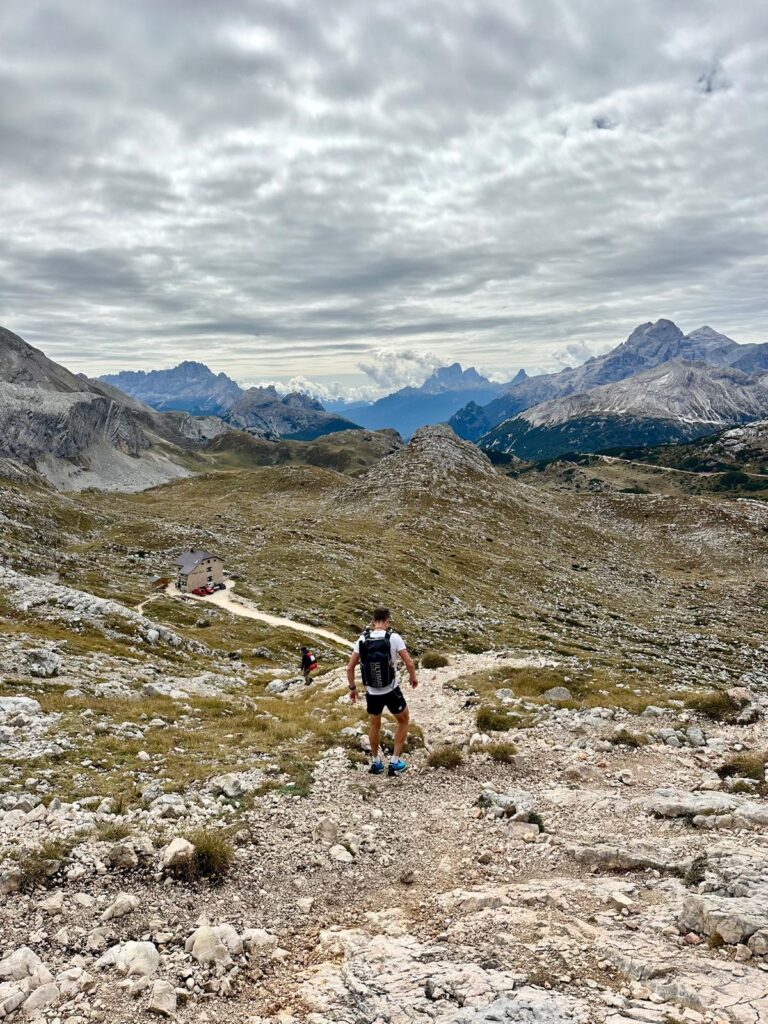
  • Ideally a pair of trail shoes as these will have extra grip, greater foot/ankle stability and more protection from rocks and other trail obstacles. They aren’t mandatory however and don’t let not owning a pair discourage you from venturing off-road!
  • If unsure of where you are running, head out with a group for safety and guidance. If exploring solo, let someone know where you are going and remember that running off-road takes longer to cover the same distance on road. So if 10k takes you 60mins on tarmac, then it might take you up to 2 hours or more on trails. Honestly!
  • Always take a charged mobile phone with you and weather-appropriate clothing/sufficient food & drink, especially if running for more than 60mins. Remember, if you have to stop running or any reason you will get cold quickly, even in the Summer, so be prepared.
  • Check the forecast before heading out (this might influence your gear & route choice) and try to pre-empt any trail damage you might encounter.

Flat-ground technique

  • Try not to focus on pace. Road running pace doesn’t translate to the trails due to the changing terrain and climbing/descending. Focus instead on internal effort, breathing and/or heart rate.
  • Pick your feet up. Practice bringing heel up under your bum to avoid tripping on roots/rocks, etc.
  • Adjust your speed based on the terrain you encounter. Firmer, flatter trails are easier to run on whereas soft, sandy or muddy paths require more energy to move through. Focus on effort.
  • Keep your eyes forward not down at your feet. Ideally 10-15 feet down the trail. This can be developed from 3ft initially and extended further as you build confidence.
  • Shorten your stride and take quick steps. This increases agility and improves your ability to take long strides when necessary (e.g. skip over a big rock or stream).
  • Run relaxed & upright.

Downhill technique

  • Form will depend on the grade (steepess) of the hill is and how technical (uneven) the terrain is underfoot.
  • Shallower grades (up to 5%) can be approached using similar form to flat ground running. Lean forwards slightly and allow gravity to assist and encourage your feet to land underneath your hips, arm carriage should be compact and close to your body and cadence (leg turnover) should be sightly higher.
  • For Moderate grades (up to 10%) aim to bring your rear leg through for a nice, fast cadence, bend your knee more upon landing for increased shock absorption and bring your arms out a little more from your body for increased stability.
  • For Steep grades (10%+), really focus on emphasising the above instructions, namely, bringing your rear leg through the gait cycle and producing a high cadence, increasing knee flexion upon landing and arms outstretched for maximum stability (e.g. airplane / Jack Sparrow arms).
  • Finally, for more technical, uneven terrain, it is especially important to have quick feet, a high cadence and to bring your heels up under your bum. Doing this will allow you to reduce the risk of tripping and allow you to respond quickly to changes in terrain. Become comfortable jumping from side to side and taking bigger steps when necessary to avoid hazards such as holes and loose rock. Alter your footstrike naturally between heel, midfoot and forefoot as terrain dictates. Keep your eyes up and further down the trail. This is especially important as you pick up speed as you’ll need additional time to react to obstacles. It’s ok to look down at your feet occasionally but try to keep your eyes up as much as possible. As skill level progresses this will become easier and more natural.

More general guidance

  • Use airplane arms (outstretched) or form wings with your elbows to improve balance and stability.
  • Increase cadence (steps per minute) and slightly shorten your stride length.
  • Try to focus on bringing your heel underneath your bum (‘cycling up’) and landing under the hips to spread load evenly through the body and reduce muscular damage.
  • Try to focus your gaze at least 10-15 feet down the trail at least rather than at your feet. The steeper the downhill and faster you’re running will necessitate looking further ahead as obstacles will be approaching much quicker.
  • Try and run with a slight forward lean from ankles (not from the waist).
  • Footstrike will vary naturally between rear, mid and forefoot. Don’t try to consciously alter footstrike and just ‘go with the flow’.
  • Try to relax and ‘let go’. Tensing and leaning backwards will slow you down, increase breaking forces and increase the load going through your body. Be like water as a wise man once said.
  • Be aware that you might need to jump from side to side to avoid certain obstacles. This is OK.
  • Be aware of what you are landing on. Some surfaces may be uneven or insecure e.g. loose rock. If the surface is muddy, wet or unstable then make sure that you have grippy trail shoes. Try to focus on really ‘sticking’ your landing each time and contacting with your midfoot to maximise traction and stability.
  • A lot of downhill running about being confident, which takes time to build. But believe in yourself and your abilities!
  • More people trip and fall on the flat rather than downhills as they lose focus. If you are nervous about tripping, you can wear gloves and long sleeves/tights for protection.

Uphill technique

  • Again, focus on internal effort/breathing/heart rate rather than pace. You will need to slow down when moving up a hill. Resistance is futile (and exhausting!)
  • Try to remain relaxed and upright with only a slight forward lean from the ankles. The steeper the hill you are climbing, the more you can lean forward and allow gravity to assist you.
  • If running uphill, pumping your arms quicker will increase cadence and power. Keep your arms close to your body to reduce the distance which blood has to be pumped.
  • The steeper the hill, the shorter your stride should be (think ‘granny gear’). This places less load on the rear chain (achilles, calves, hamstrings, glutes) and is more efficient than taking long, bounding steps so will place a smaller demand on your cardio system and save (vital) energy.
  • Try to land with your feet close under your hips.
  • For shorter and steeper hills, landing on your toes (with a forward lean) will be more efficient. Landing on your feels or rear-midfoot will cause you to rock back with the force of gravity and requires more energy to move forward. You’ll need to ensure that you have sufficient calf strength though!
  • For steeper/longer hills (or longer races) ‘power-hiking’ (read: walking) might be more efficient than running and result in expending less energy for the same effort and pace. The exact switchover point is highly individual and depends on your level of fitness, experience and competency at hiking.
  • If the terrain of the hill is soft or unstable (e.g. sand), it will most likely be more efficient to hike.
  • Place your whole foot down when running or hiking uphill (especially on steps) and drive through your heel to engage your glutes. It also reduces the load on the calf and Achilles. This is especially important if the hill or race is long.
  • As you reach crest of hill start to lengthen stride. As you go over the top, try to start running again to maintain momentum, especially if in a race. Learning to recover whilst running (at a slower pace) will result in saving a lot of time over the whole race distance.

Conclusion

Trail running is awesome, beautiful and multifaceted. If road running is a game of Checkers then trail running is definitely more akin to Chess. There are a lot of moving parts but that is part of the allure, and challenge, of the sport.

Everyone belongs on the trails and genuinely, the risk of injury is low, especially when considering how high the injury rates are from road running. You can further reduce your risk by commiting to a regular strength & conditioning routine too.

To improve, aside from digesting all of these nuggets of wisdom contained in this article, just getting off-road and spending more time on the trail will help. Find some friends or a running group (Rock n Road Runners every Saturday at 8am!) who run off-road and start exploring. Jersey is a tardis for trails with a really rich network of paths.

If you’d like more info on skills, routes, races or coaching, drop by the shop or ping Rik a message on his socials or rik@rocknroad.je.

More Resources

Search